Image

Explore Ireland's Easter traditions.
Christian, pagan and old Irish farming practices are at the root of contemporary Easter traditions in Ulster today.
Easter in the earliest Christian church was on the same date as the Jewish holiday of Passover. Thus Easter was not fixed on a Sunday, but could be any day of the week. It could occur as early as before the spring equinox in March.
After 325 C.E., Easter was fixed by the Council of Nicaea to always fall on the first Sunday after the first full moon to occur on or after the 21st of March. This meant that Easter could be as early as 22nd March, if the full moon occurred on a Saturday 21st March. It could be as late as the 25th of April if the full moon fell on a Sunday 18th April. This change took around 200 years before it was accepted throughout Christendom.
The Easter Orthodox Churches use the older Julian calendar rather than the more common Gregorian calendar. As the Julian calendar is 13 days behind the Gregorian calendar, these Easters will fall on a different date.
The early Christian Church feast looking back to the Resurrection of Christ was known as Pascha in the Greek and Latin languages. It was derived from the Hebrew word for Passover, 'Pesach'. It was at that festival that Christ was crucified. In the non-Germanic speaking world, the name for Easter is still based on Pesach.
Germanic people supposedly had a Spring goddess called Eostre. However, our only record of this comes from the Venerable Bede, a Christian monk living around 700 C.E. The month of April, in Old English 'Eosturmonath', was supposed to be named after her by the Germanic settlers in England. The name was then attached to the Christian celebration.
The egg is connected to much symbolism in early Eastern Christianity. Pagans associated eggs with fertility and rebirth. Lent was the period of fasting before Easter, during which Christians did not eat eggs meat and dairy products. At Easter people ate many eggs before they went bad. Often the eggs would be hard boiled and dyed red to symbolise the blood of Christ. This idea spread from the Middle East all the way to Britain and Ireland. In many countries, children would roll the eggs down a hill.

In Ulster, children would dye their eggs with the blossoms from 'whin' - gorse. According to Gordon Kennedy writing in the Ulster Folklife Journal, children in County Down would boil their eggs with "whin blossoms, tea leaves, or coloured rags".
The Easter bunny has its origins in pagan times and early Christianity. This bunny was originally a hare.

Hares were fertility symbols in ancient times. People thought that rabbits could reproduce without a male. They were associated with the rebirth of life in the Spring. The medieval Christian Church, particularly the Germanic people, carried forward this idea. They brought the tradition to America as immigrants. Over time, the hare turned into a rabbit.
The traditions of Easter eggs and hares or bunnies combined in Germany. Parents would tell children that the Easter hare would only bring them eggs at Easter if they were good. The children would arrange a small nest for the hare to leave eggs, and might leave out a carrot for the hare.
France and Germany made eggs and rabbits out of chocolate in the 1800s. Our modern Easter chocolate traditions developed from there.

Eggs were not always chocolate, but could be made from marzipan or spun sugar.
Children in Ireland built Easter huts in the spring. These were temporary shelters that they played in. These temporary shelters recall the old practice of booleying, where cattle were taken to upper pastures for the summer, with families erecting rough living quarters to watch over the cattle.

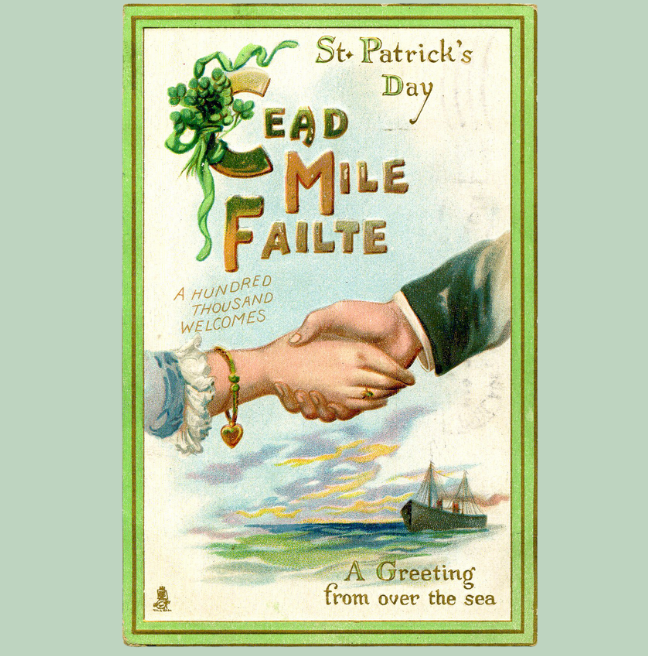
St. Patrick's Day is a celebration that began in Ireland, moved to America, and then returned in the later 20th century to reinvigorate the homeland celebrations.
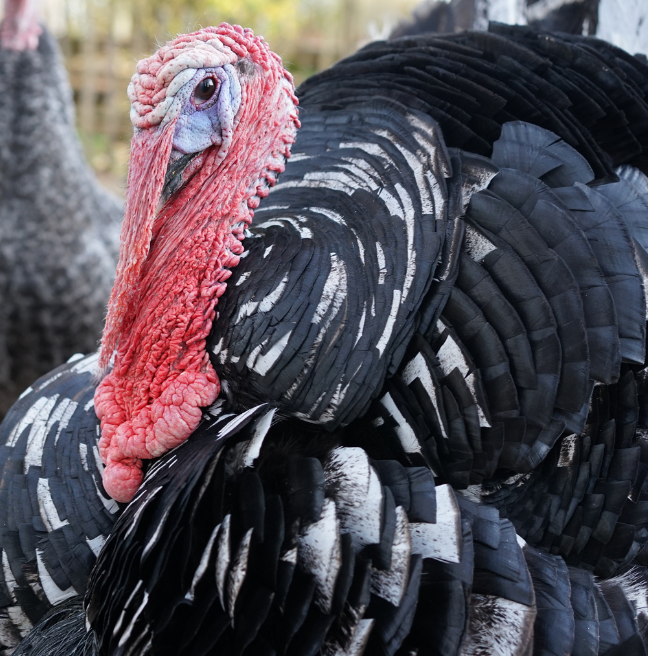
Curator of Emigration Liam Corry explores the tradition of Thanksgiving and unravels its history.
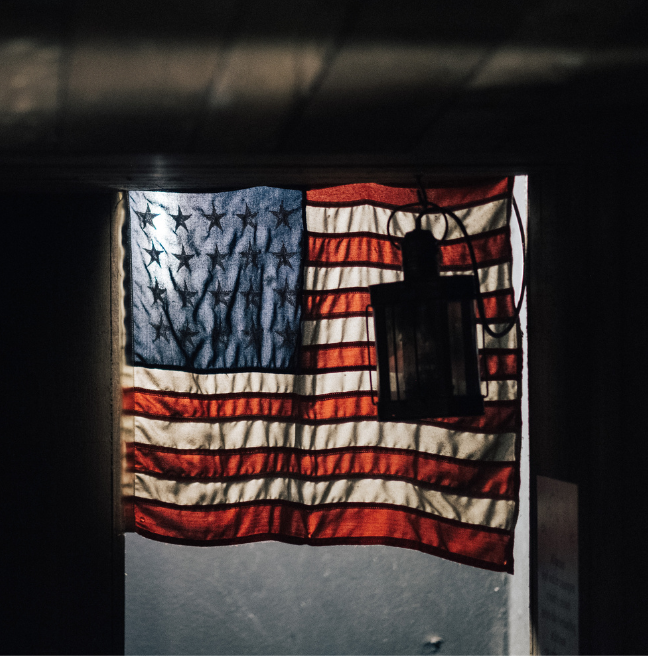
The fourth of July is when many Americans across the world celebrate the anniversary of the Declaration of Independence. But is it a cause for celebration?